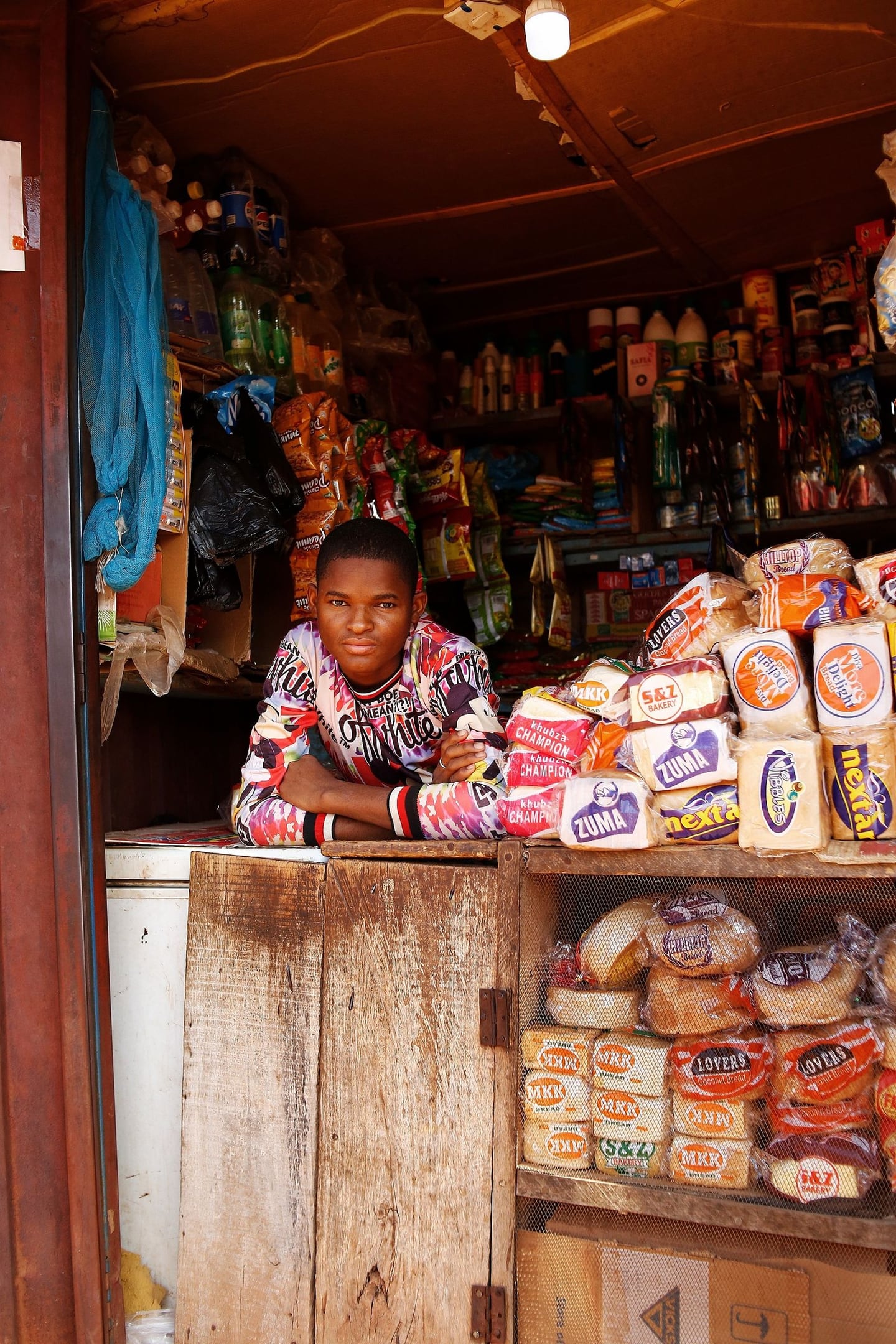
With a quarter of the year left, now is the time to gather what the renewal of your Kampala trading licence will need in January. Service businesses are often caught out because the licence feels like a formality until an enforcement officer asks for it. This post sets out what Kampala Capital City Authority says about validity, what you must present, and why 2026 has made compliance more visible.
A licence for the calendar year
KCCA's trading licence FAQ describes the licence as "a Calendar year based tax payable before commencement of business every 1st day of January" and says it "expires on the 31st of December of the same year." The Trade (Licensing) Act, Chapter 101, which KCCA publishes on its site, says the same in section 13: "Unless earlier revoked, a trading licence granted under this Act in respect of any year shall expire on the thirty-first day of December of that year."
So a licence bought in September does not run for twelve months; it runs to 31 December. Plan the renewal for the first weeks of January, every year, regardless of when you opened.
What an existing business must present
For a Ugandan national renewing a licence, the FAQ lists identification ("passport/ Driving permit/Voter's card"), the "Original Trading License for the previous year for already existing business" and the "Original KCCA receipt for the previous year for already existing business." Keep both documents safe through the year; they are the proof that you are renewing rather than starting afresh.
New businesses present the original certificate of incorporation along with an "Original rent receipt and tenancy agreement from the land lord". Non-nationals need "Clearance from Ministry of Trade, Industry and Cooperatives." Applicants must be at least 18 years old.
Conditions before a licence is granted
The FAQ lists general conditions: "Appropriately located premises", suitable hygiene, health and building standards, personal specifications including "medical fitness", and "Payment of appropriate license fees." For a salon or gym the hygiene and premises conditions are the ones most often inspected, so it is worth walking the premises with the list in hand before the officer does.
How the fee is assessed and paid
Fees follow the schedules under "statutory instrument No 54 of 2011" and "The Trade (Licensing) (Grade of Business Areas) Order, 2011", which grade premises by location and type. The process described is that a Revenue Officer "issues a tax payer a KCCA Bank Payment Advice Form to make payment at any designated Banks", after which the bank receipt is "presented at the Division offices where a trading license certificate is issued." KCCA's site also links to its eCitie online payment portal and gives a service contact of 0417 900 100.
Record the fee as a business expense with the receipt attached. It is a legitimate cost of trading and you will need the receipt again next January.
Offences
The FAQ states that anyone who "fails to pay or obstructs or hinders an officer on duty, or knowingly makes a false declaration" commits an offence, and on conviction faces "a fine or to a term of imprisonment not exceeding six months or both." The Act also requires the licence to be exhibited at the premises. Frame it and put it where the counter is.
Why 2026 is different
On 19 February 2026 KCCA began enforcing the government's Trade Order directive, issued on 5 February, which required vendors to leave "walkways, road reserves, road islands, medians and other ungazetted public spaces". KCCA said those still trading in such spaces "would face impoundment of goods and possible court action", and identified "2,520 stalls ready for allocation" across 17 markets, plus "1,980 workspaces" in neighbouring municipalities, with allocation following "registration and verification procedures".
The directive was aimed at street vending, not at licensed shops. But the operations that followed have put officers on the ground across the city checking who is operating where, and a service business with an expired licence is an easy find. The sensible response is the boring one: renew on time and display it.
A renewal checklist for January
- Last year's original licence and the KCCA payment receipt.
- Your ID, and the certificate of incorporation if the business is a company.
- The tenancy agreement and a current rent receipt.
- Premises tidy and compliant with the hygiene and building conditions.
- The fee paid through the Bank Payment Advice or eCitie, and the receipt filed as an expense.
- The new licence displayed at the premises by the end of the month.
One hour in January saves a very awkward conversation in June.
Sources
Run the whole business from one login.
Point of sale, stock, CRM, accounting free in every plan, payroll and Kit AI. Start on the web today and add the till, the phone app and the desktop app as you grow.
No card needed · 14-day trial