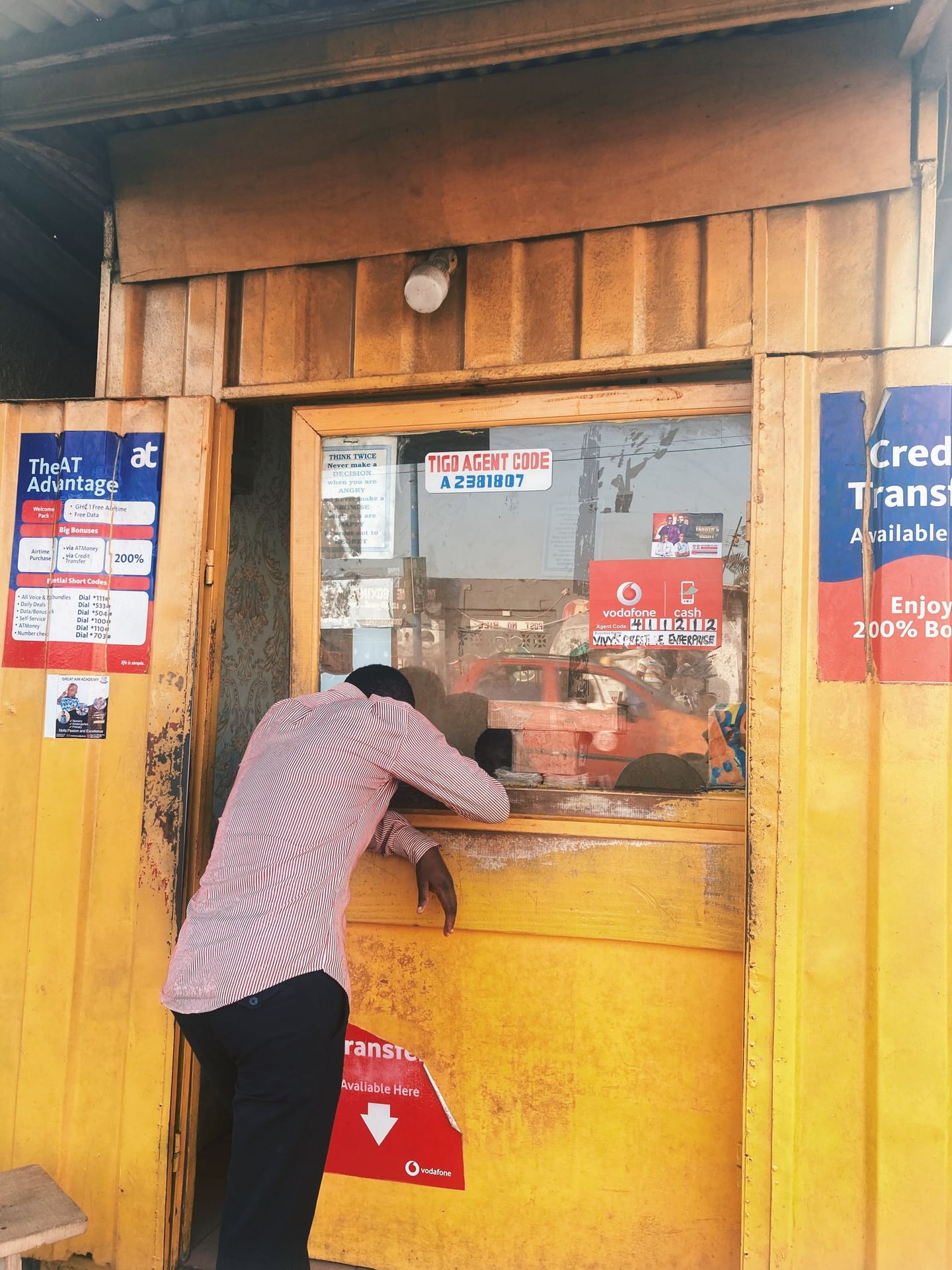
A membership business lives or dies on renewals. The gym that collects 90% of its fees in the first week of the month has a very different year from the one that chases members until the 25th. In Uganda the collection channel is settled: mobile money. The question for an owner is how to run recurring fees on it without the reconciliation turning into a second job.
The scale of mobile money payments to businesses
Bank of Uganda's Integrated Annual Report for the year to 30 June 2025, as reported by Business Focus, shows electronic money transaction values rising 28.6% "from 253.7 trillion shillings in the twelve months ending June 2024 to 326.3 trillion shillings in the year to June 2025". Volumes went from 7 billion to 8.4 billion transactions. The figure that matters for a membership business is person-to-business payments, which "increased by 15.9 percent from 51.1 trillion shillings to close at 59.2 trillion shillings" over the same period. The same report puts the agent network at 1,016,914 agents at June 2025.
Your members already pay for most things this way. Asking them to pay you by mobile money is not a change of habit; asking them to come in with cash is.
Who is allowed to collect payments
The National Payment Systems Act, 2020 is the law behind the channel. Section 9(1) states that "a person shall not offer a payment service, operate a payment system or issue a payment instrument without a licence issued by the central bank." The Act's definition of a payment system expressly covers "fulfilling payment obligations at points of sale, merchant outlets or over the internet", and the list of permitted transactions includes "merchants or utilities payments".
For a gym owner the meaning is straightforward. You do not need a licence to receive money; you need to collect through a licensed provider, whether that is a telecom's merchant code or a licensed payment service provider integrated into your till. What you should avoid is collecting fees into a staff member's personal line, which leaves you with no statement, no audit trail and a dispute waiting to happen.
Three ways to run recurring fees
Merchant code and manual matching. The member pays to your merchant number and shows the confirmation. It works, and it is where most small gyms start. The cost is the matching: someone has to tie each payment to a member and a month, and the mistakes land at month end.
Pay at the desk on a till. The member taps in, the desk raises the renewal on the till and takes the payment by mobile money or card there and then. The payment is tied to the member and the period at the moment it is made. The reconciliation problem largely disappears because the system did the matching when the money arrived.
Reminders before expiry. Whatever the channel, the collection rate moves most when members are told before the membership lapses rather than after. An alert seven days before expiry, and a second one on the day, gives the member time to pay and the desk a list of who to speak to.
Freezes, not cancellations
Members travel, fall ill and go quiet during exams. A business that only offers "pay or lapse" loses those members permanently. Offering a freeze for a stated period keeps the record alive and makes the return a renewal rather than a new sign-up. Set the rules clearly: how many freezes a year, for how long, and whether the fee is paused or deferred.
What good looks like at month end
- Every renewal is recorded against a named member and a period, with the payment reference beside it.
- The mobile money statement matches the renewals list without a manual spreadsheet.
- The expiring list for next week is already printed and the desk has started calls.
- Frozen memberships are shown separately so they are not chased as arrears.
- Cash and mobile money totals for the day reconcile with the till before closing.
Pricing the plan
Monthly plans collect more often but churn more; annual plans lock in revenue but are a bigger ask on a mobile money balance. Many owners settle on a quarterly option as the compromise. Whatever mix you choose, publish it, apply it consistently, and let the system enforce the expiry date so that staff are not the ones saying no to a friend.
Mobile money has made collecting fees easy. The work is in the records: making sure that every shilling that arrives is tied to a member, a plan and a month, so that the monthly picture is real and the renewal calls are made before the member drifts away.
Sources
Run the whole business from one login.
Point of sale, stock, CRM, accounting free in every plan, payroll and Kit AI. Start on the web today and add the till, the phone app and the desktop app as you grow.
No card needed · 14-day trial