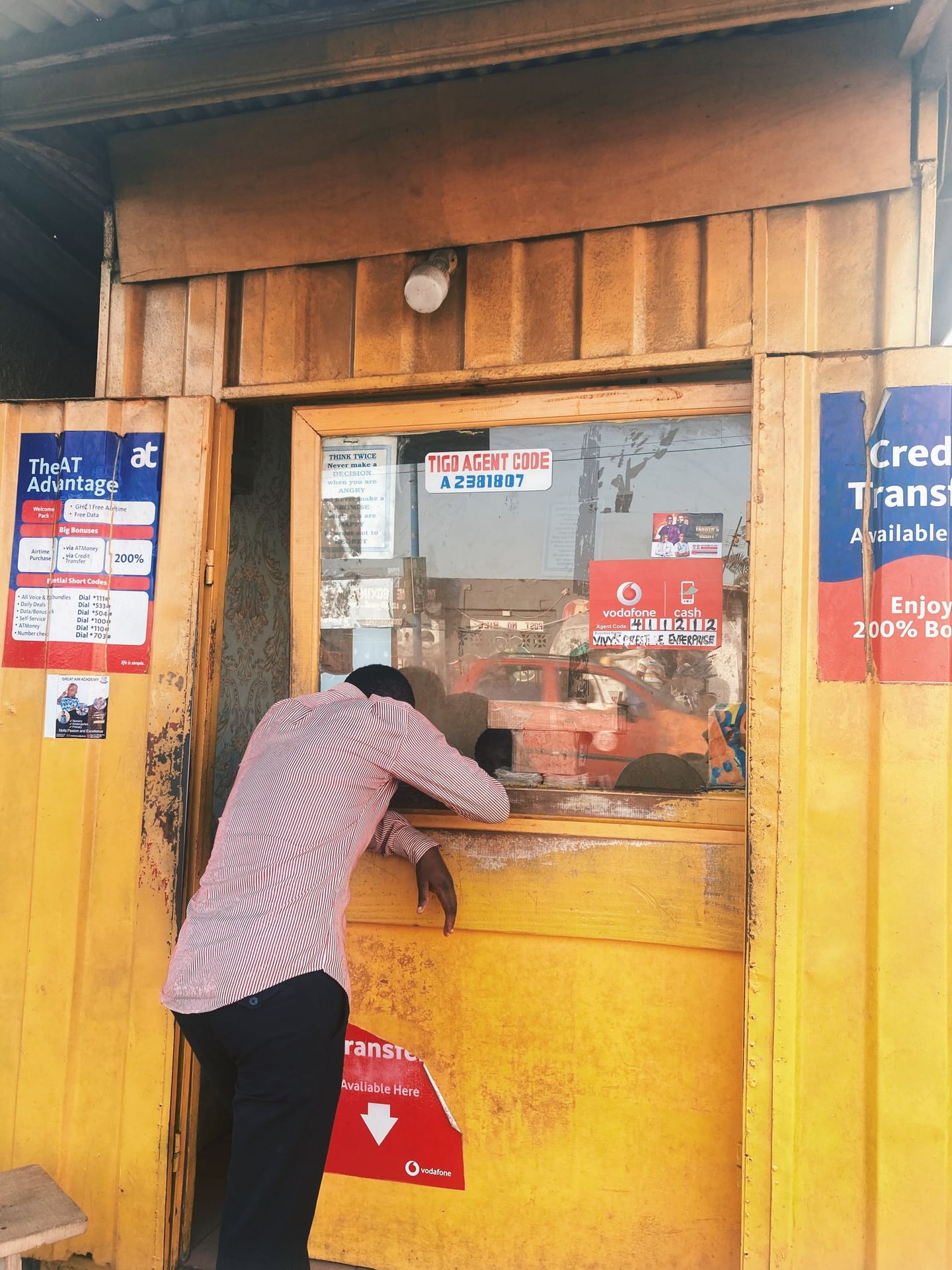
The customers are already online. The Uganda Communications Commission reported in December 2025 that active mobile subscriptions had reached "45.7 million", mobile internet subscriptions "17 million", mobile money subscriptions "35.6 million" and smartphones "19.0 million devices" by the third quarter of 2025. By June 2026, press reports of the UCC's quarterly figures put active mobile internet at "19.7 million" and connected smartphones at "20.5 million". A shop that puts its price list on a web page is on time, not early. What most small sellers do not know is that Uganda has had a law for online selling since 2011, and it says what to publish and what the customer can do after they pay.
The law that governs the online shop
The Electronic Transactions Act, 2011 (Act 8 of 2011) does two things for a seller. First, it makes the sale real: section 14 says "a contract shall not be denied legal effect merely because it is concluded partly or wholly by means of a data message". A confirmed order on your website or in a chat is a contract. Second, it sets out consumer rights that apply to every electronic transaction, whether it happens on a website, a marketplace or a messaging app.
What you must publish
Section 24, "Information to be provided by suppliers or sellers", lists what must be available to the customer before they buy. Among the items:
- "the full name and legal status of the person";
- "the physical address and telephone number of the person";
- "the web site address or e-mail address";
- for a company, "the registration number, names of directors and place of registration";
- "a description of the main characteristics of the goods or services" sufficient for an informed decision;
- "the full price of the goods or services, including transport costs, taxes and any other fees or costs";
- "the manner of payment".
In practice that is an About page, a Contact page and a Delivery and Payment page, written once. The price point matters most: a price shown without delivery and VAT is not "the full price".
The customer's right to cancel
Section 25 gives a consumer the right to cancel an electronic transaction "within seven days after the date of receipt of the goods or services" or within seven days of the agreement. A consumer who returns goods "shall not be charged for the returning of the goods other than the direct cost of returning the goods", and where they have already paid, they are "entitled to a full refund of money paid within thirty days of the date of the cancellation".
Build this into the business rather than fighting it. A clear returns note on the order confirmation reduces disputes, and a seven-day window is short enough that stock comes back saleable if it was packed well.
Deliver within thirty days, or say so
Section 27 is the one that catches sellers who list items they do not hold. "Unless otherwise agreed by the parties, the supplier shall execute the order within thirty days." If you cannot, the customer may cancel after seven days' written notice, and where the goods are not available you must notify the customer before the agreed time and "refund any payment made" within thirty days. The lesson is simple: the online shop must show the stock you actually have.
Keeping online stock honest
Online selling fails on stock accuracy more than on marketing. The pattern is familiar: an item sells at the counter in the morning, the web page still shows it at noon, a customer pays by mobile money at one, and the shop spends the afternoon arranging a refund. Three rules prevent it:
- One stock figure. The web shop and the till reduce the same count.
- Orders arrive where someone is watching. An order that lands in an inbox nobody opens is a thirty-day problem waiting to happen.
- Stock takes include online reservations. Goods packed but not yet collected are not free stock.
Where Kit fits
Kit POS treats the online shop as another way to sell from the same stock. Every plan, including Economy, includes the Product catalogue and WooCommerce modules at no extra cost: a public catalogue page for your products, and a link between a WooCommerce shop and the stock in Kit. Because "every product carries stock per location", a sale at the counter and a sale online reduce one count, which is the first rule above. Switch both on from Settings, then Modules. Kit Business on the phone shows the orders, the stock and the low-stock alerts, so the person watching the inbox is you.
Before you launch
- Publish the section 24 details: legal name, address, phone, registration number, full prices with delivery and VAT, payment methods.
- Write the seven-day returns note and the delivery promise into the order confirmation.
- Connect the online shop to the same stock as the counter.
- Decide who answers orders, and by when.
The market is there. The Act tells you how to meet it properly.
Sources
- https://www.ucc.co.ug/new-communications-sector-report-highlights-efforts-to-bridge-access-and-usage-gaps/
- https://eagle.co.ug/2026/08/12/ugandas-telecom-revenue-hits-record-shs1-73t-as-data-mobile-money-drive-growth/
- https://ict.go.ug/site/documents/UGANDA-Electronic-Transactions-Act-No.-8-of-2011.pdf
- https://kit.africa/pricing/
- https://kit.africa/products/pos/stock/
Run the whole business from one login.
Point of sale, stock, CRM, accounting free in every plan, payroll and Kit AI. Start on the web today and add the till, the phone app and the desktop app as you grow.
No card needed · 14-day trial