Airtel Money Pay for merchants: codes, fees and settlement
What Airtel's 2026 merchant FAQs say about micro and formal merchant codes, who pays the fee, daily limits and how long money takes to reach your bank.
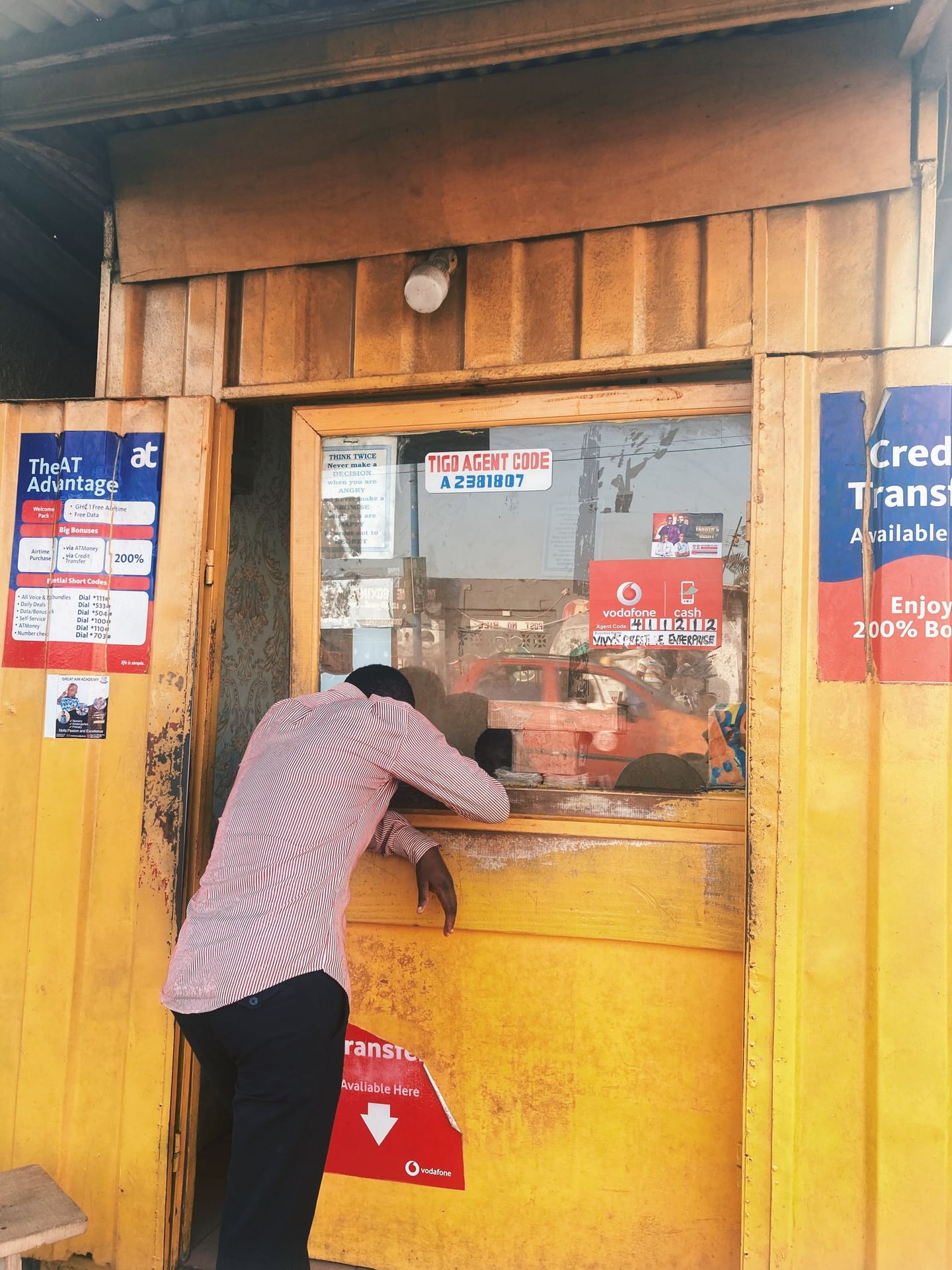
Airtel Money is the second mobile money network most Ugandan shops need to accept, and Airtel publishes two sets of merchant FAQs for 2026: one for micro (informal) merchants and one for formal merchants. The two products behave differently on fees, paperwork and limits. Here is what the documents say, and what to check before you put the sticker on your counter.
Micro merchant or formal merchant
A micro or informal merchant self-onboards without documentation and gets a separate business wallet alongside the personal Airtel Money wallet, with payments received by USSD, the MyAirtel app or QR code. Airtel's micro merchant FAQ sets a transfer limit of UGX 5 million and a float balance limit of UGX 20 million, and notes that the limits are cumulative across the business and personal wallets. To lift those limits, Airtel says to upgrade to a formal merchant.
A formal merchant is a registered business. Airtel's requirements list a certificate of incorporation or registration, memorandum and articles (or partnership deed or constitution), particulars of directors, Company Form 18 or an LC letter, a valid trading licence, directors' national IDs or passports, and a TIN certificate. Once the documents are in, Airtel says the merchant code can be issued within one day. Formal merchants get a seven-digit merchant code and can hold several lines: a master line that transacts and oversees everything, and pseudo lines that only receive notifications for a particular till.
Who pays the fee
This is the question owners ask first. For micro merchants, Airtel's FAQ is explicit: customer-to-merchant transactions are free to the merchant, ordinary sending charges apply to the customer in line with existing tariffs, and merchant-to-merchant payments for goods and services carry no charge. The formal merchant FAQ describes Airtel Money Pay as letting customers pay from their wallet at selected outlets with no extra charges. If the wording matters to your pricing, ask your Airtel account manager to confirm in writing which schedule applies to your code.
What is not free is turning the balance into notes. Cashing out at an agent attracts ordinary withdrawal charges, and Uganda's 0.5% excise duty on mobile money withdrawals applies to the value withdrawn.
How the money reaches you
Payments arrive instantly and both sides receive an SMS confirmation. Getting the balance out of the wallet has three routes in Airtel's formal merchant FAQ:
- Bank transfer by standing order for liquidation. Airtel says this usually takes 24 to 48 hours to reflect in the bank account, and warns that out-of-date bank details cause delays.
- Pay Subscriber. Moves funds to a subscriber wallet at no additional cost, for merchants who cannot wait for bank processing.
- Merchant to merchant (B2B). Lets you pay another merchant, for example a supplier, directly.
Micro merchants can transfer from the business wallet to the main Airtel Money wallet free of charge, or withdraw at an agent with normal charges.
What to set up on day one
- Decide on a sweep rule. If you liquidate to the bank, the 24 to 48 hour lag means Friday's takings may land on Monday. Record the transfer on the day you send it, not the day it arrives, and reconcile against the bank statement when it does.
- Put the merchant code at every till. Airtel's field team supplies branding after the account is created. Pseudo lines per till make it easy to see which counter received a payment.
- Teach cashiers to wait for the merchant SMS, not the customer's screen. A payment is confirmed when your line receives it.
- Keep business and personal wallets apart. The micro merchant product gives you two wallets for a reason. Mixing them is the fastest way to lose track of takings.
A note on paperwork
The formal merchant document list is also a useful checklist for a business that intends to grow: registration, trading licence and TIN are the same papers banks and URA will ask for. If you do not yet have them, the micro merchant code gets you accepting Airtel Money today, and you can upgrade once the paperwork is done.
Sources
- https://cdn-webportal.airtelstream.net/website/uganda/assets/pdf/Airtel-Money-Pay-Merchant-FAQs-2026.pdf
- https://cdn-webportal.airtelstream.net/website/uganda/assets/pdf/FAQs-Mircro-Merchants-2026.pdf
- https://www.monitor.co.ug/uganda/business/prosper/mobile-money-taxes-reverse-digital-financial-inclusion-5392494
Run the whole business from one login.
Point of sale, stock, CRM, accounting free in every plan, payroll and Kit AI. Start on the web today and add the till, the phone app and the desktop app as you grow.
No card needed · 14-day trial