Cash at the till: float, drops and the end-of-shift count
A cash routine for a Ugandan shop: a fixed float, counted drops, one owner per drawer, and why cash is now the costliest tender to handle.
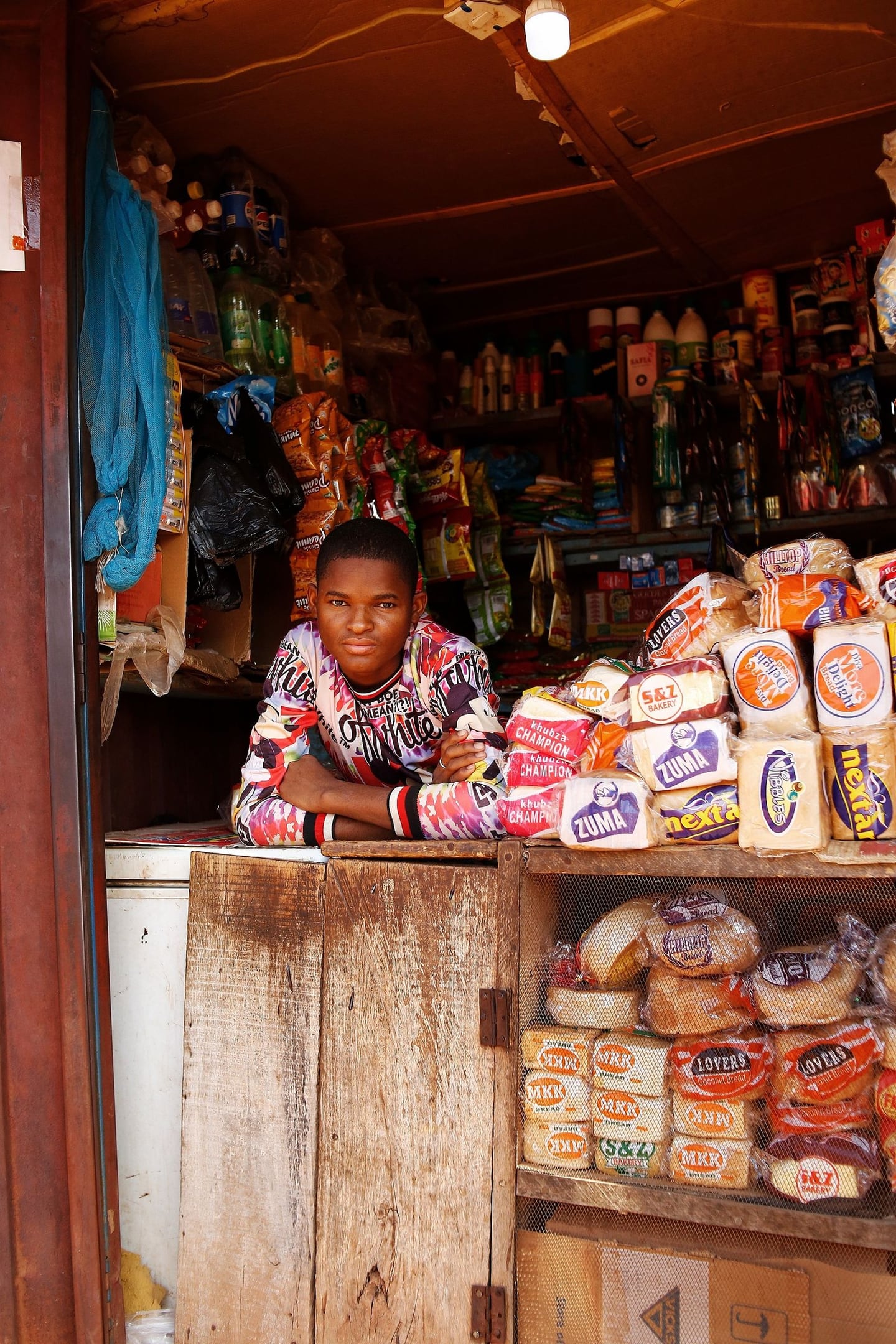
Cash is still the tender most Ugandan shops handle most, and it is the one with the least paperwork behind it. A MoMo payment leaves an SMS; a UGX 20,000 note leaves nothing. That is why the till routine matters more for cash than for anything else, and why the routine should be boring, written down and the same every day.
One float, one owner
Start every shift with a fixed float, the same amount every day, in small notes and coins. UGX 100,000 in a mix of UGX 1,000, 2,000 and 5,000 notes covers most change needs for a small shop; a supermarket will need more. Count it in front of the cashier, write it on the shift sheet, and have both of you sign.
Then make one person responsible for the drawer until the shift ends. Two cashiers sharing a drawer means nobody can be asked about a shortage, and in practice nobody is. If you need two people selling, run two drawers or two tills.
Drops during the day
A drawer holding the day's full takings is a risk to the cashier and a temptation to everyone else. Set a ceiling, for example UGX 500,000, and when the drawer reaches it, move the excess to a safe or to the bank. Count the drop, record it on the shift sheet with the time, and have the cashier and the person receiving it both sign. The drawer should never hold more than the float plus the ceiling.
The end-of-shift count
Close the shift in this order:
- The cashier counts the drawer, by denomination, and writes the total.
- Add the drops made during the shift.
- Subtract the float.
- Compare the result with the cash sales reported by the till for that shift. Not total sales: cash sales only. Mobile money, card and credit sales were never in the drawer.
The difference is the variance. Write it down even when it is zero. A pattern of small shortages on one cashier's shifts, or a surplus that keeps appearing on busy days (usually change given short), is only visible if every shift is recorded.
Cash is no longer the cheap option
Owners often think of cash as free and mobile money as expensive. The reverse is increasingly true. Converting mobile money takings into notes attracts the agent withdrawal fee plus Uganda's 0.5% excise duty on the value withdrawn: for a UGX 500,001 to UGX 1,000,000 withdrawal the MTN tariff table shows an agent fee of UGX 12,500 and duty of UGX 2,500 to UGX 5,000. Cash also has to be counted, stored, carried and banked, and each of those steps costs time and carries risk.
The direction of policy is the same. In June 2026 the Bank of Uganda circulated limits on over-the-counter cash withdrawals, UGX 50 million a day for individuals and UGX 500 million for businesses, to take effect on 1 January 2027, with the stated aim of moving the country towards a cash-lite economy. Most shops will never approach those figures, but the message to businesses is clear: the system is being built around digital payments, and cash handling will be the exception that needs justifying.
Treat the shift sheet as a tax record
The Tax Procedures Code Act requires taxpayers to keep records that allow their tax liability to be readily ascertained, in English and including electronic records, and to retain them for five years after the end of the tax period. A daily shift sheet showing float, drops, count and variance, filed with the till's sales report, is the simplest evidence that your declared cash sales are the cash you actually took.
Three rules worth printing
- The drawer belongs to one person per shift.
- Count the float in and the drawer out, by denomination, on paper or on screen, every shift.
- Compare the count with cash sales only, and record the variance even when it is zero.
None of this needs new equipment. It needs a till that reports cash separately from other tenders, a sheet, and the habit of doing it when the shop is busy as well as when it is quiet.
Sources
- https://www.mtn.co.ug/tariffs/mobile-money-tariffs/
- https://www.monitor.co.ug/uganda/business/prosper/mobile-money-taxes-reverse-digital-financial-inclusion-5392494
- https://observer.ug/business/bou-caps-individual-cash-withdrawals/
- https://www.rsm.global/uganda/insights/tax-insights/key-highlights-tax-procedures-code-act
Run the whole business from one login.
Point of sale, stock, CRM, accounting free in every plan, payroll and Kit AI. Start on the web today and add the till, the phone app and the desktop app as you grow.
No card needed · 14-day trial